
Cotton seed
Raithasiri Seeds has its vision deep-rooted in its penchant to support the farming community, through an immaculate initiative that would turn into a timeless mission, increasing farm yield, enhancing options, and bettering prospects overall, thus creating an ecosystem in seeds development and distribution.
About Cotton Seeds
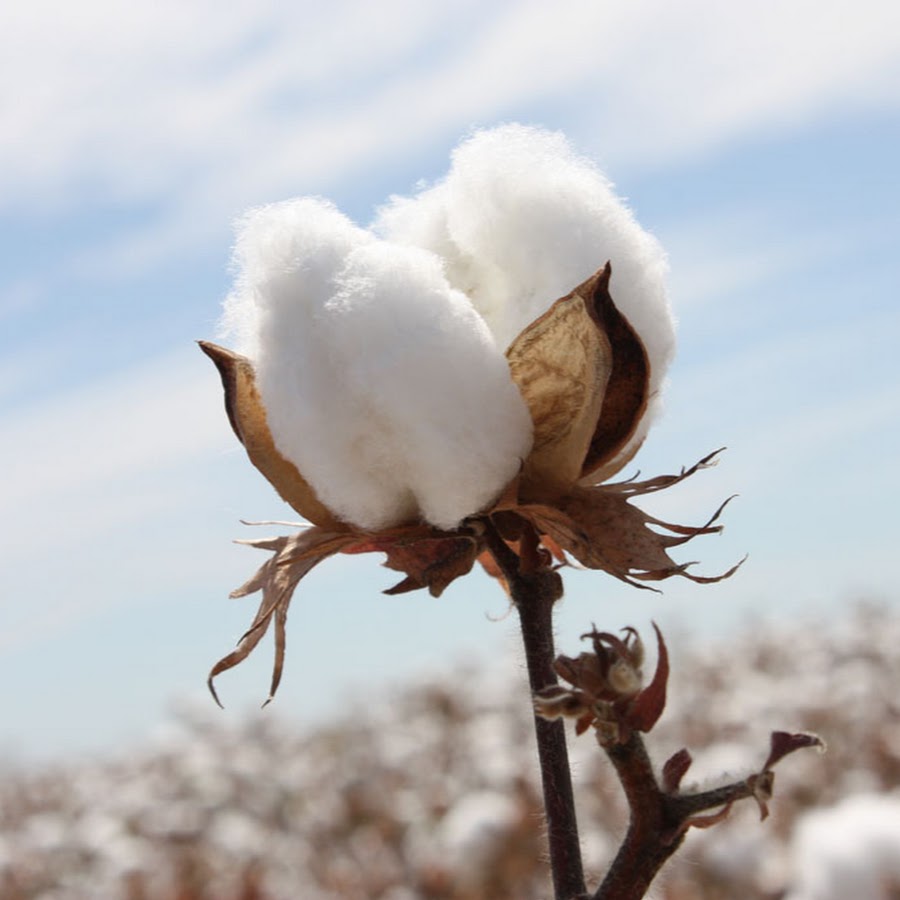
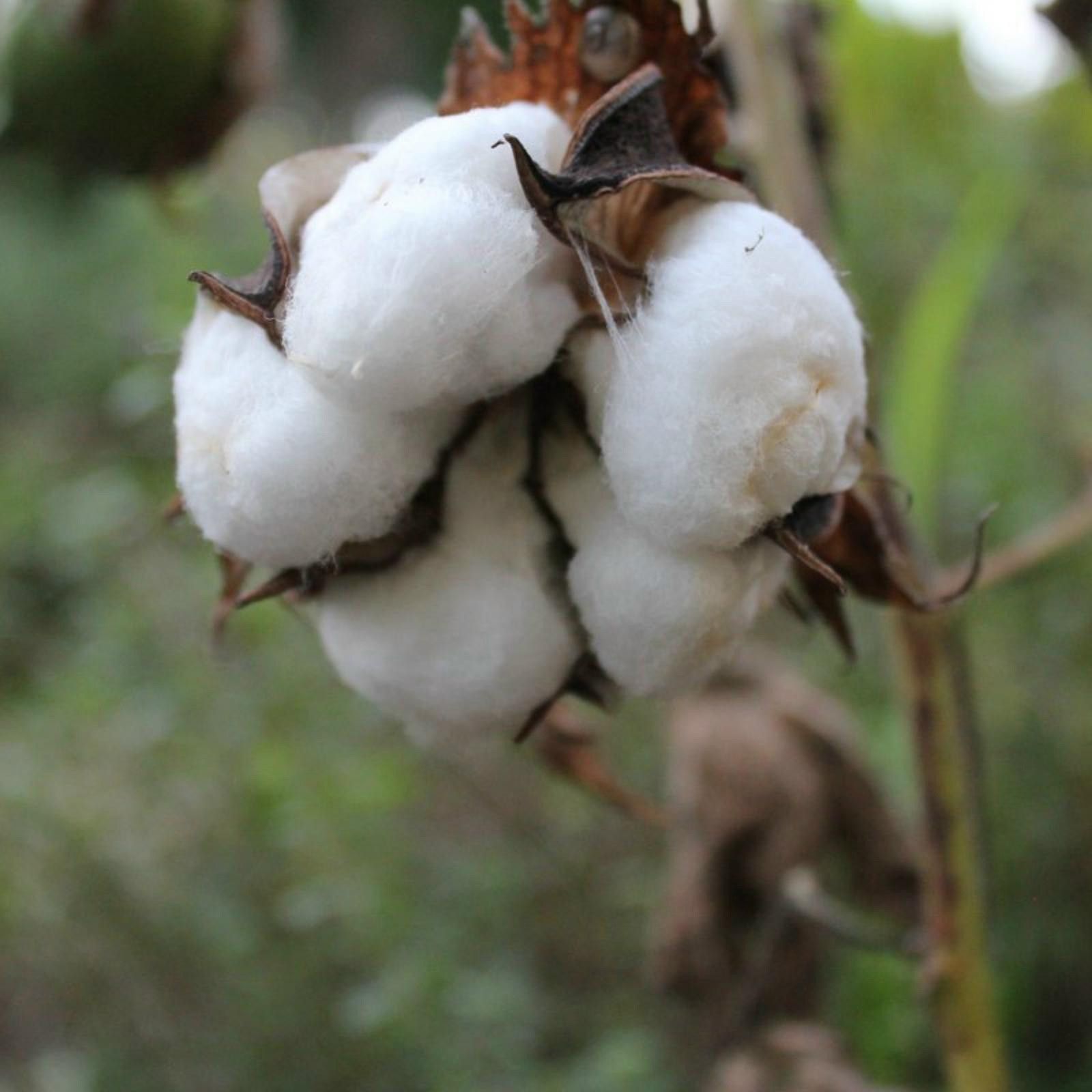
Cotton seeds are the reproductive parts of the cotton plant, a fiber crop grown primarily for its natural fibers. These tiny seeds are encased in a fluffy outer layer called lint, which is harvested and processed to produce cotton yarn and fabric.
Nutritional Value
Although cotton seeds are not commonly consumed as a food, they do contain some nutritional value. They are a good source of protein, fiber, and certain minerals, such as iron and calcium. Cottonseed oil is also extracted from the seeds and used in cooking and as a biodiesel fuel.
Uses of Cotton Seeds
- Cottonseed oil: As mentioned earlier, cottonseed oil is a popular cooking oil and is also used in the production of margarine, mayonnaise, and other food products.
- Animal feed: Cottonseed meal, the residue left after extracting the oil, is a valuable source of protein and fiber for livestock.
- Biofuel: Cottonseed oil can be processed into biodiesel, a renewable fuel alternative to fossil fuels.
- Fertilizer: Cottonseed meal can also be used as a natural fertilizer to improve soil fertility.
Cottonseed Planting and Harvesting
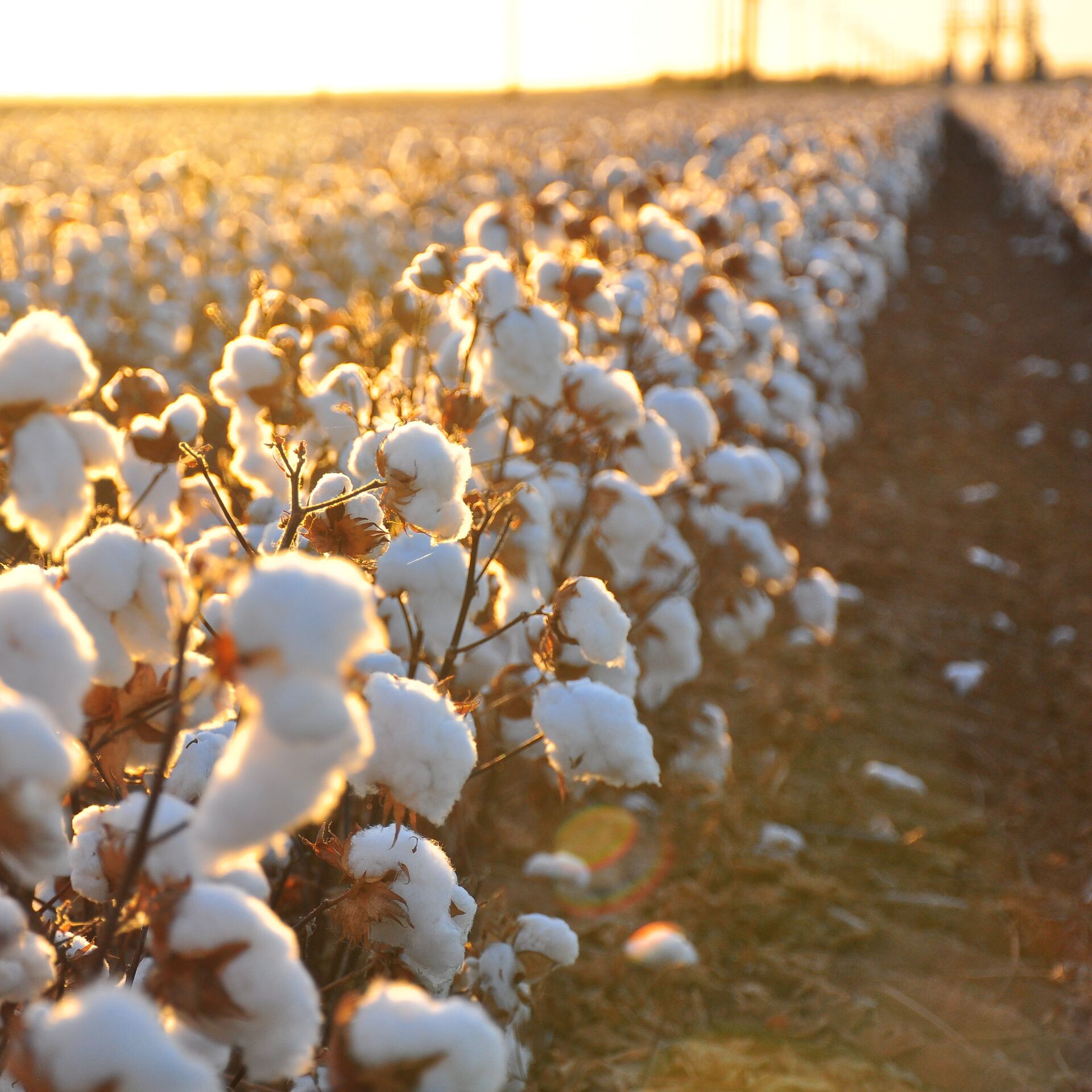
Cotton seeds are typically planted in the spring or early summer. They require warm temperatures and adequate rainfall to germinate and grow. After the cotton plants mature, the bolls (seed pods) open, revealing the fluffy cotton fibers. These fibers are harvested using specialized machines and then processed into cotton yarn and fabric.
