
Chilli Seeds
Raithasiri Seeds has its vision deep-rooted in its penchant to support the farming community, through an immaculate initiative that would turn into a timeless mission, increasing farm yield, enhancing options, and bettering prospects overall, thus creating an ecosystem in seeds development and distribution.
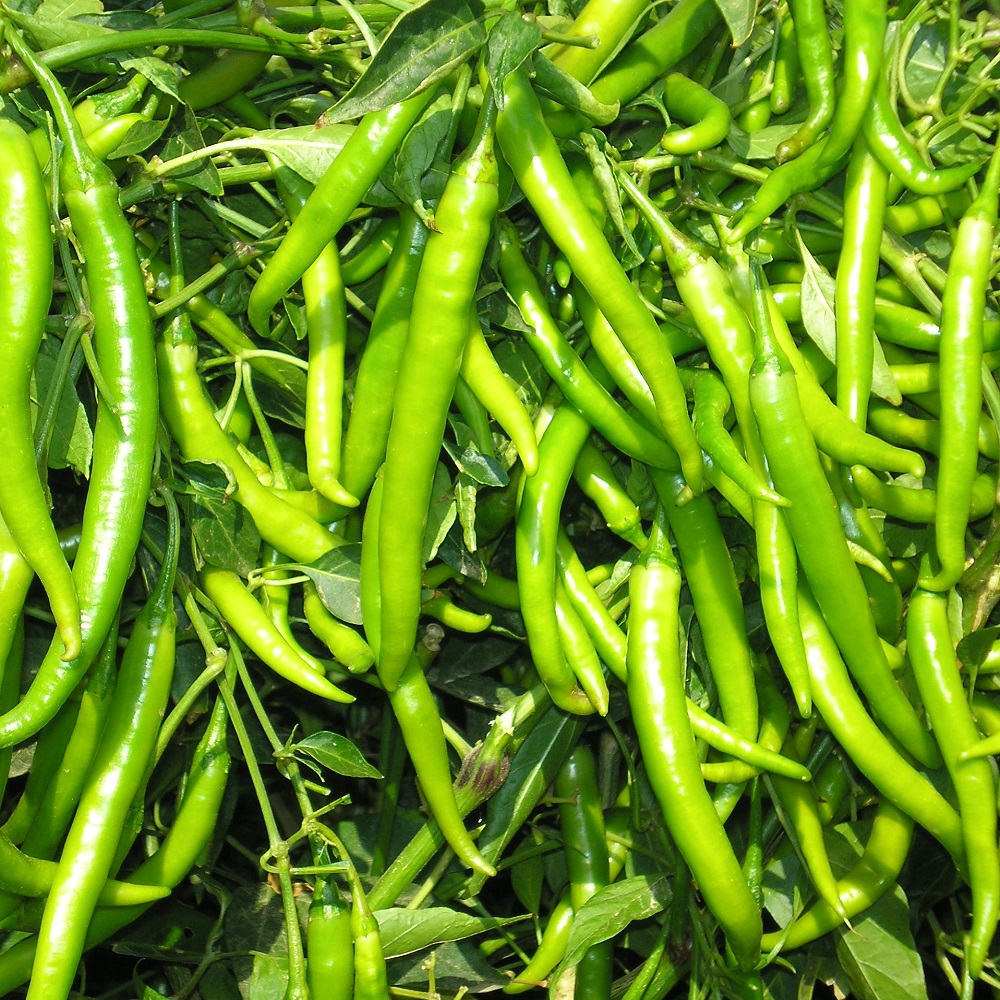
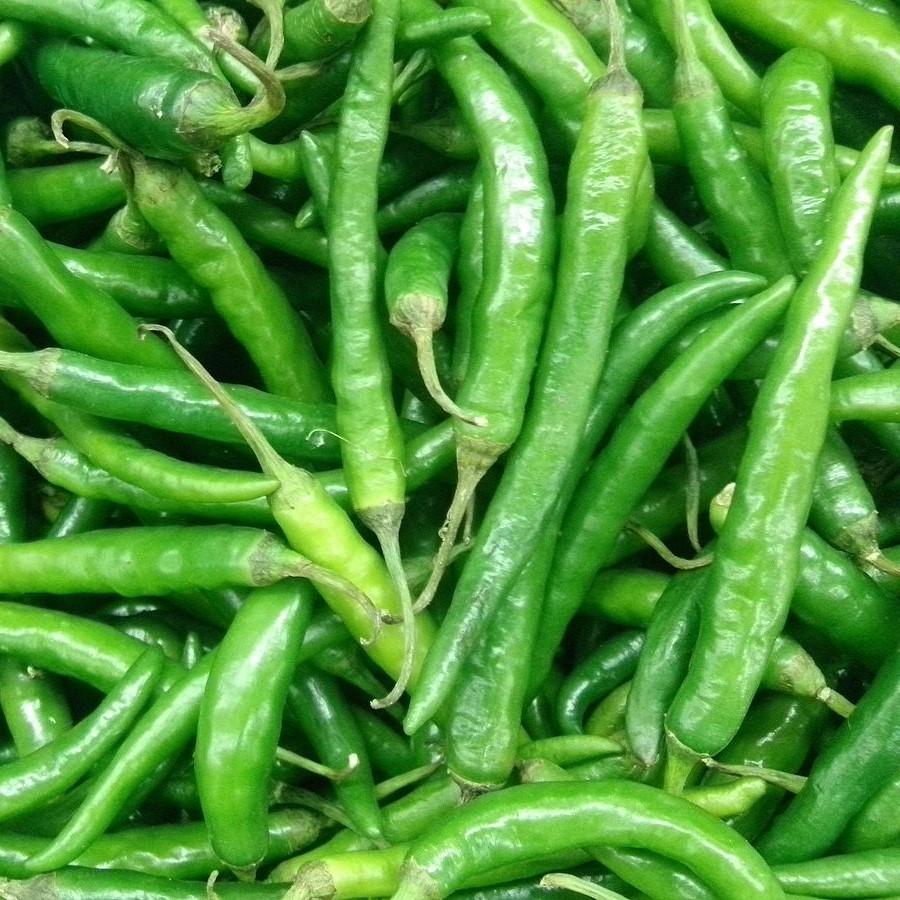
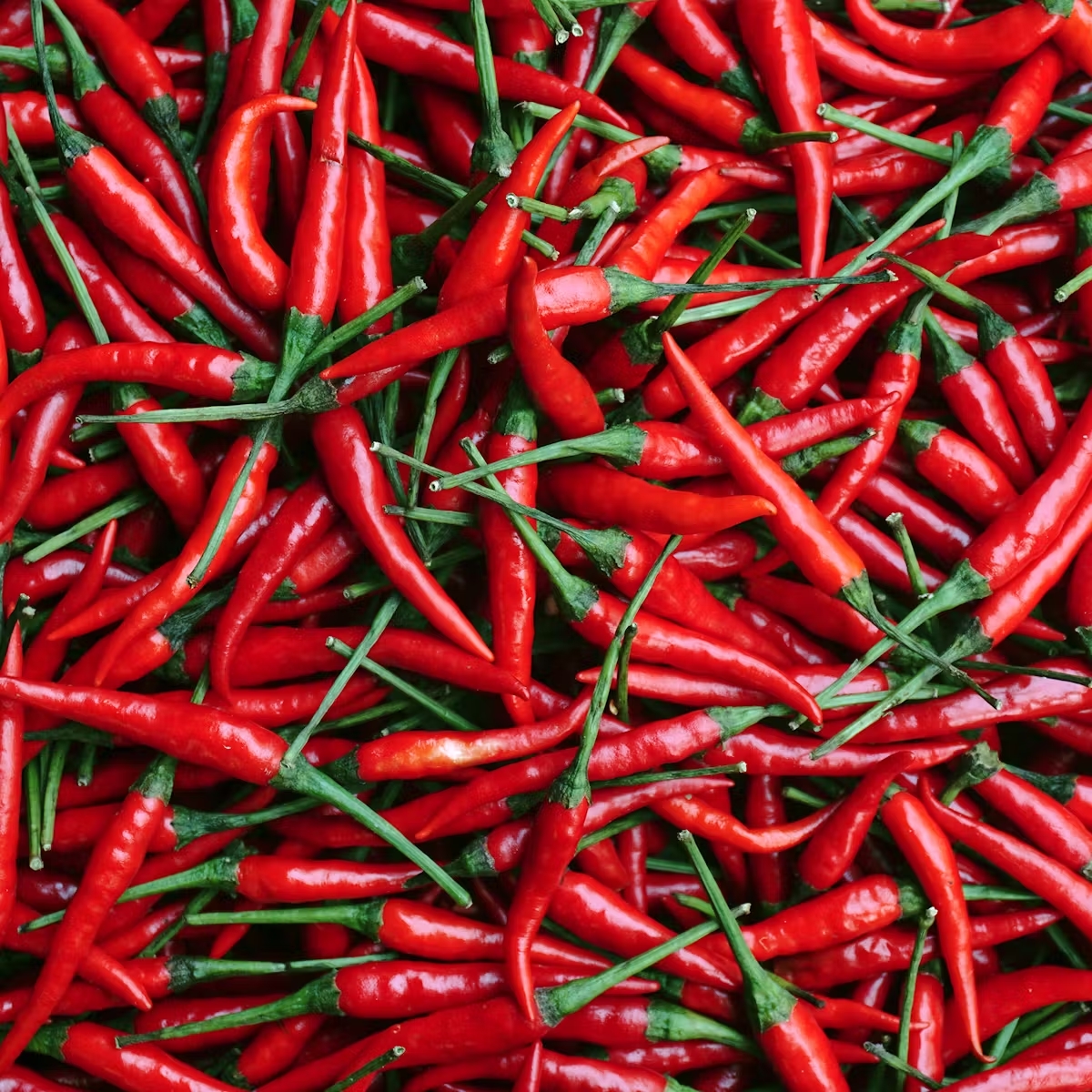
About Chilli Seeds
Chili seeds are the small, powerful seeds found inside chili peppers. They are the starting point for growing chili pepper plants, and there are many varieties of chili peppers that you can grow, each offering a unique flavor profile and level of heat. Whether you’re a seasoned gardener or a beginner, growing chili peppers from seed can be a fun and rewarding experience. Here’s what you need to know about chili seeds:
Growing Chili Peppers from Seed
Choosing the Right Variety:
- There are many types of chili peppers, ranging from mild to extremely hot. Some common varieties include:
- Jalapeño: Mild to medium heat, often used in salsas.
- Habanero: Known for its fruity flavor and intense heat.
- Cayenne: Long, thin peppers commonly used in hot sauces.
- Thai Bird’s Eye: Small but fiery, often used in Asian cuisine.
- Bell Pepper: Mild and sweet, but technically a chili.
- Caribbean Scotch Bonnet: Extremely hot and fruity in flavor.
- There are many types of chili peppers, ranging from mild to extremely hot. Some common varieties include:
Starting Seeds Indoors:
- Timing: Start seeds indoors 8-10 weeks before the last expected frost. Chili peppers need a long growing season, so starting them early will give them enough time to mature.
- Containers: Use seed trays or small pots filled with seed-starting mix.
- Planting Depth: Sow chili seeds about 1/4 inch (0.6 cm) deep.
- Temperature: Chili peppers need warmth to germinate. Keep the soil temperature between 75°F and 85°F (24°C–29°C). A seed heat mat can help maintain consistent warmth.
Germination:
- Chili seeds typically take 7-21 days to germinate, depending on the variety and temperature. You can cover the seed tray with a plastic dome or plastic wrap to maintain humidity, but make sure it’s well-ventilated.
Lighting:
- Once the seeds sprout, they will need 12-16 hours of light per day to grow strong and healthy. A grow light or a sunny windowsill can work. If using a grow light, keep it about 2-4 inches (5-10 cm) above the seedlings to prevent them from becoming leggy.
Transplanting:
- Once the seedlings have grown large enough and the outdoor temperatures are consistently above 60°F (15°C), you can transplant them outside. Be sure to harden off the seedlings by gradually acclimatizing them to outdoor conditions over a period of 7-10 days.
- Chili peppers like a sunny spot with well-drained soil. They prefer soil with a pH of 6.0-7.0.
- Space the plants about 18-24 inches apart (45-60 cm), depending on the variety.
Caring for Chili Plants:
- Watering: Keep the soil evenly moist, but avoid overwatering. Chili plants don’t like sitting in waterlogged soil, so make sure they have good drainage.
- Fertilizing: Use a balanced fertilizer or one specifically formulated for peppers. Avoid over-fertilizing with nitrogen, as this can lead to excessive leaf growth and fewer peppers.
- Pruning: As the plants grow, you can prune the lower leaves to improve air circulation and allow more light to reach the fruits.
Harvesting:
- Chili peppers are usually ready to harvest 60-90 days after transplanting, depending on the variety.
- Harvest peppers when they reach full color (red, yellow, orange, etc.) and are firm to the touch. For some varieties, you may need to wait until the peppers have ripened fully on the plant, while others can be harvested while still green for a milder taste.
