
Tomato seed
Raithasiri Seeds has its vision deep-rooted in its penchant to support the farming community, through an immaculate initiative that would turn into a timeless mission, increasing farm yield, enhancing options, and bettering prospects overall, thus creating an ecosystem in seeds development and distribution.
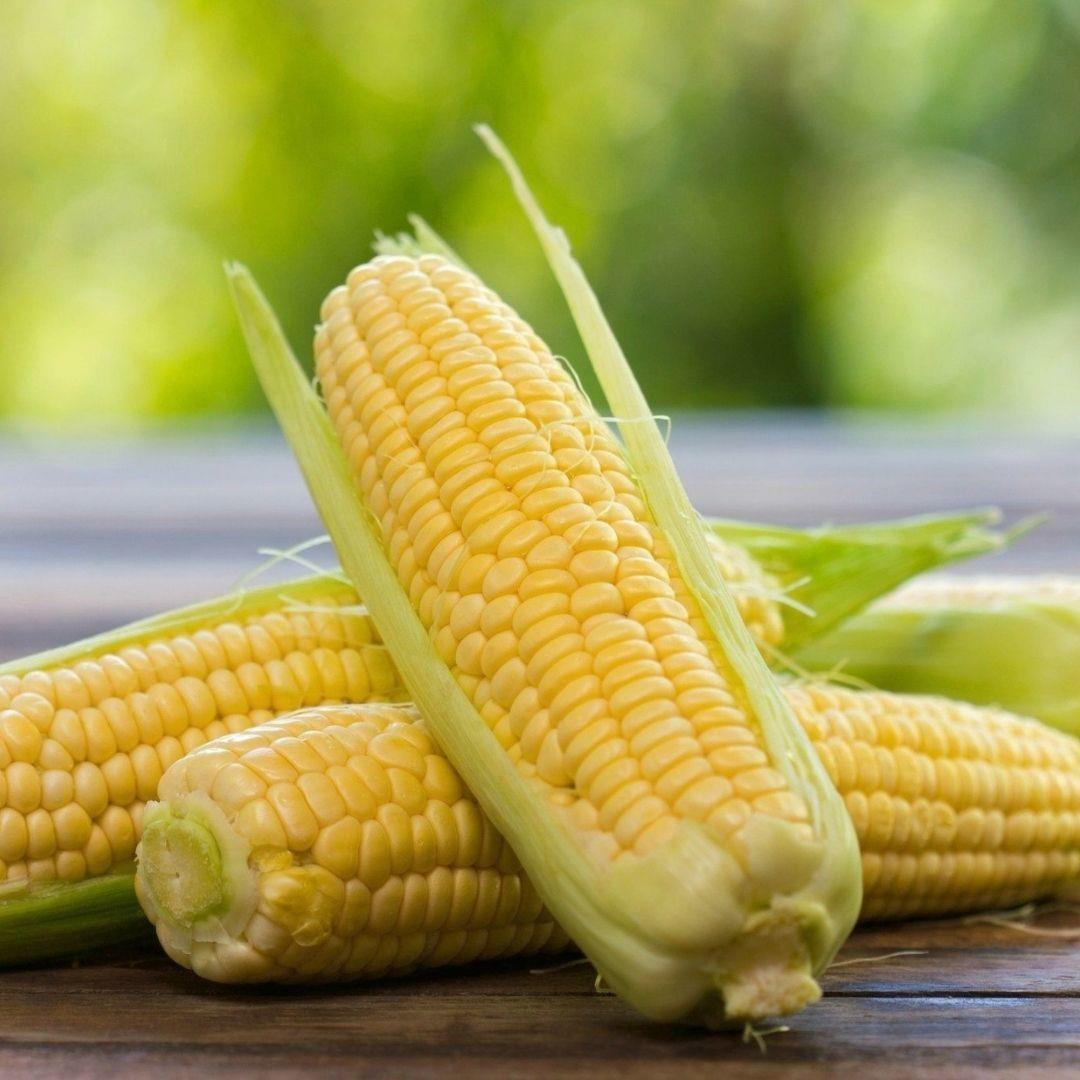
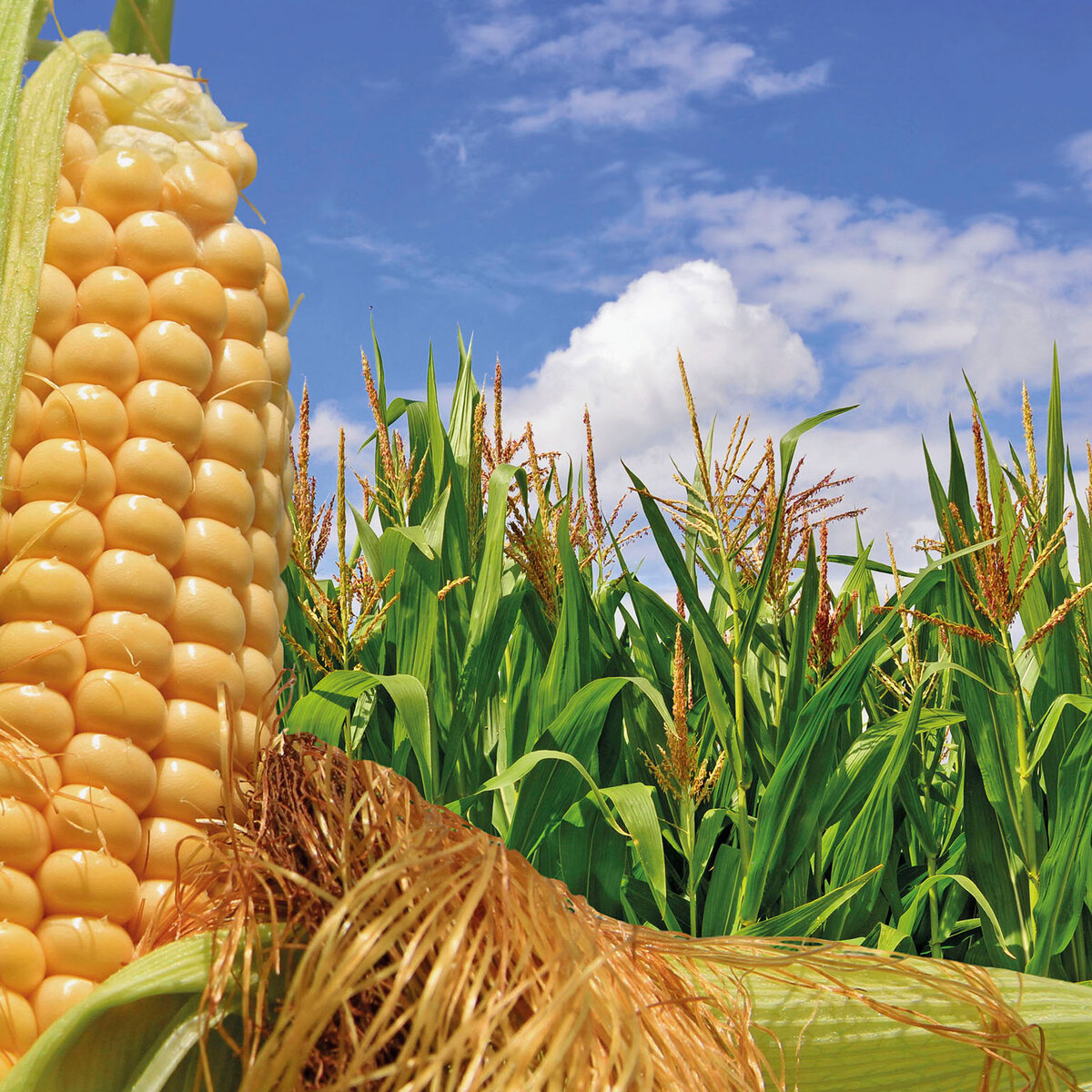
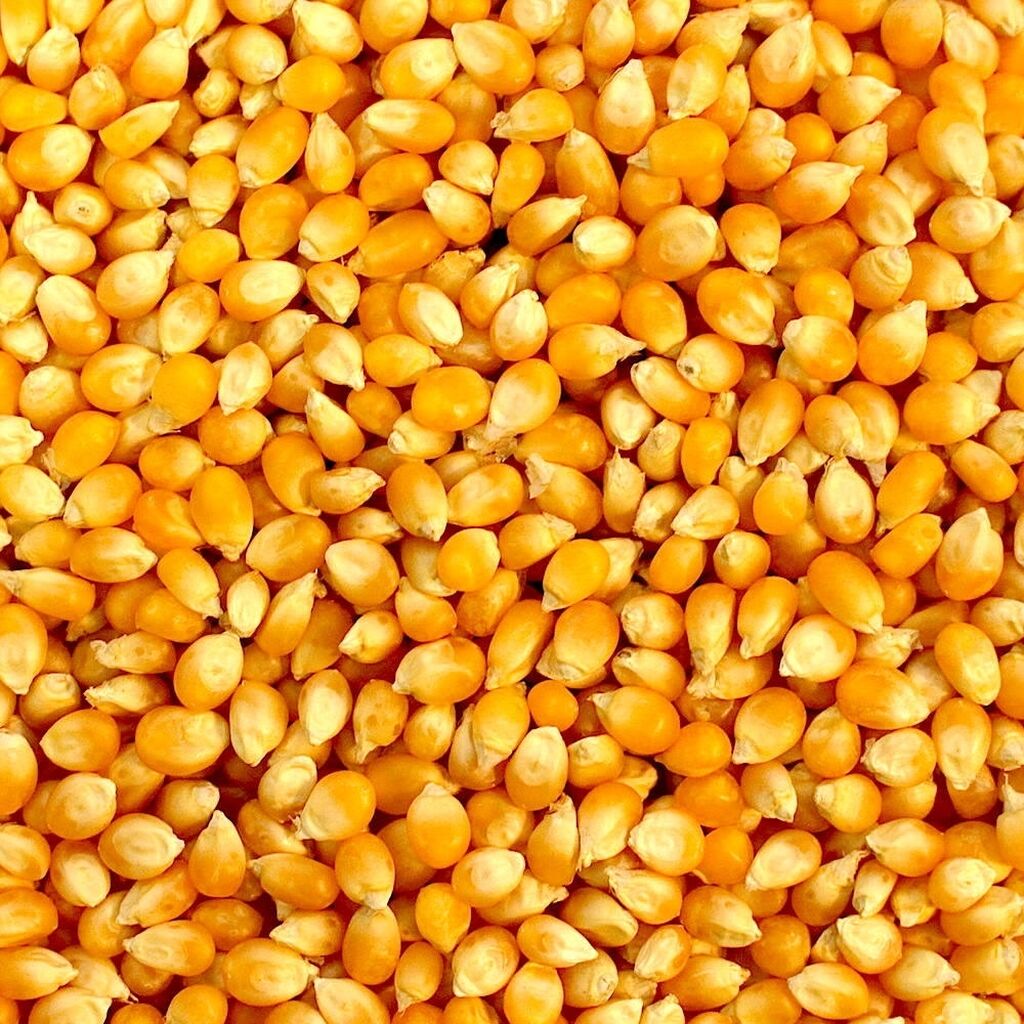
About Corn Seeds
Corn seeds are the reproductive parts of the corn plant, a staple crop grown worldwide for both food and animal feed. These small, yellow or white kernels are packed with nutrients and have been a vital part of human diets for centuries.
Types of Corn Seeds
There are several types of corn seeds, each with its own unique characteristics:
- Field corn: The most common type of corn, field corn is primarily grown for its grain, which is used to make cornmeal, corn flour, and animal feed.
- Sweet corn: Known for its sweet flavor, sweet corn is typically consumed fresh or frozen as a vegetable.
- Popcorn: Popcorn kernels are unique in that they expand and pop when heated, making them a popular snack food.
- Dent corn: This type of corn has a dent-shaped kernel and is often used for both grain and silage.
- Flint corn: Flint corn has a harder, more flinty kernel and is used for making cornmeal and hominy.
Nutritional Value
Corn seeds are a good source of carbohydrates, fiber, and vitamins and minerals. They are also rich in antioxidants, which can help protect against cell damage.
Uses of Corn Seeds
Corn seeds have a wide range of uses:
- Food: Corn is used to make a variety of foods, including cornmeal, corn flour, cornbread, tortillas, and popcorn.
- Animal feed: Corn is a major component of livestock feed, providing essential nutrients for animals like cattle, pigs, and poultry.
- Biofuel: Corn kernels can be processed into ethanol, a renewable fuel alternative to gasoline.
- Industrial products: Corn is also used to make a variety of industrial products, such as starch, sweeteners, and adhesives.
